
Last updated November 15, 2026
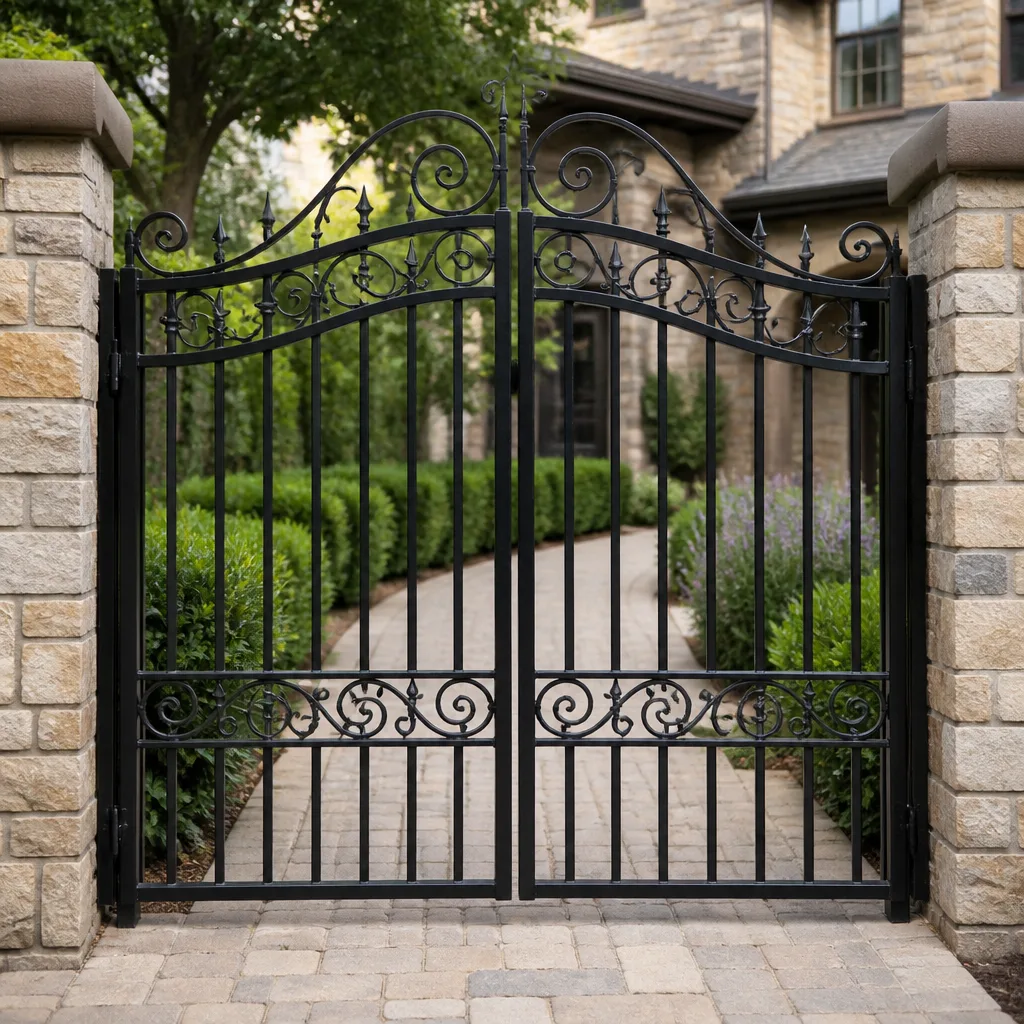 Wrought iron
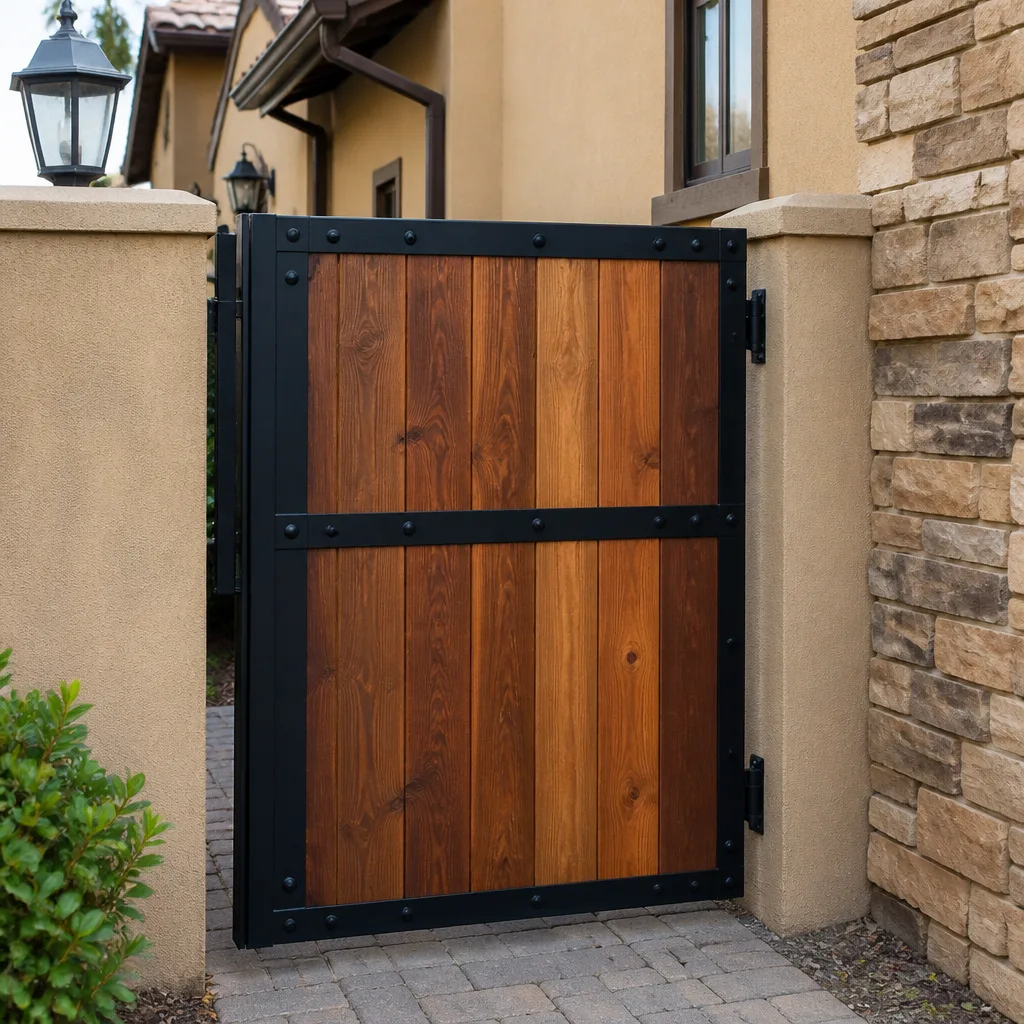 Wood & steel frame
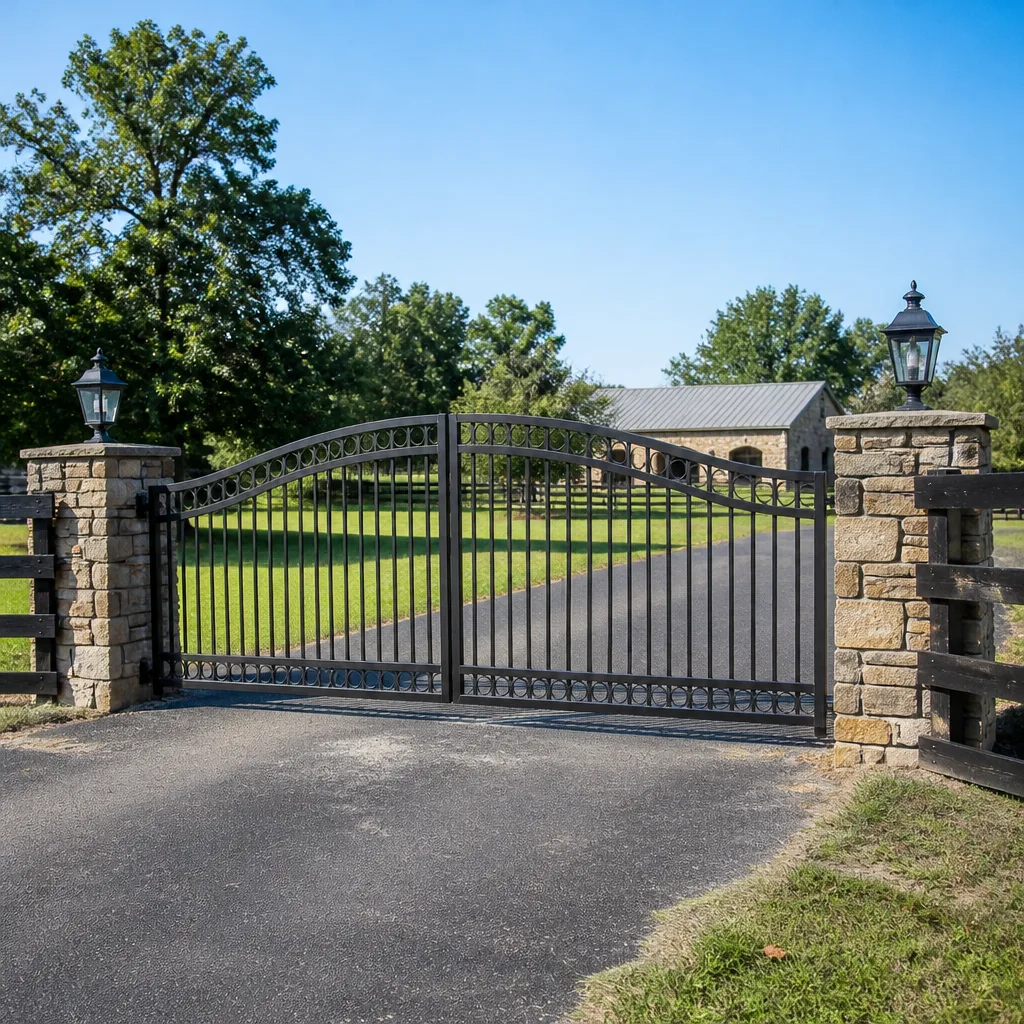 Farm & ranch
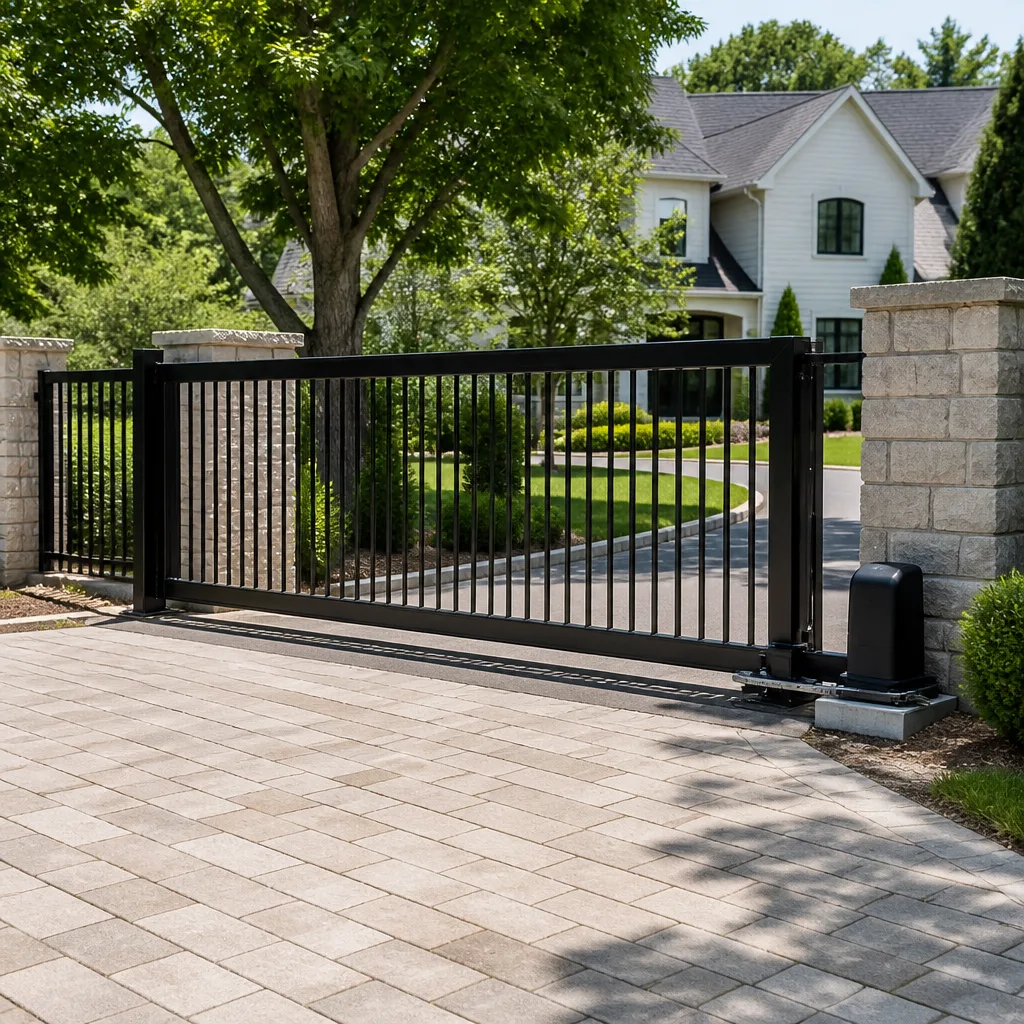 Sliding driveway gates
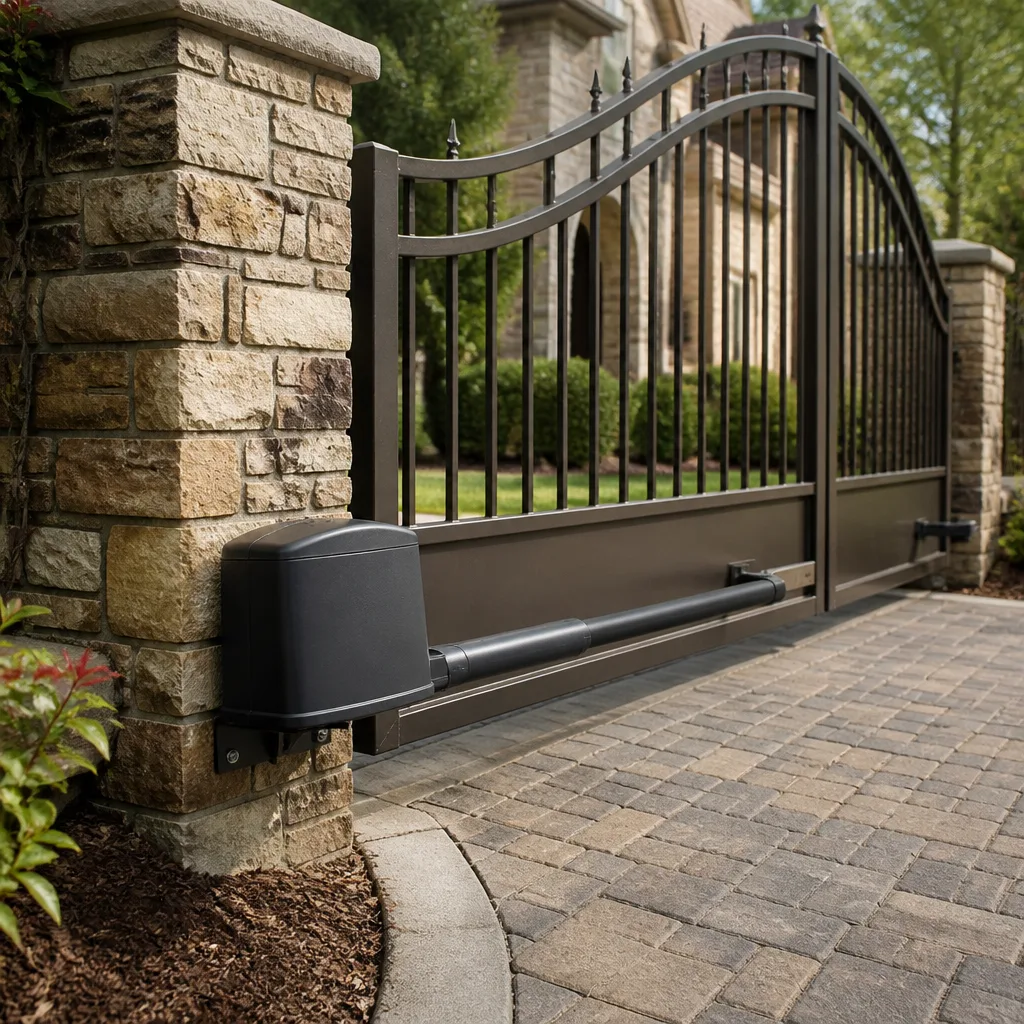 LiftMaster operators
Free on-site gate assessment - hinges, posts, and your LiftMaster or Nice gate operator checked before anything is quoted
The assessment is free and the quote is the invoice.
Get your free estimateGate Repair Permits, Codes & Inspections in Cape Coral, FL: What You Need to Know
Most people assume a permit is only for a brand-new gate on a brand-new lot. The opposite is closer to the truth. In Cape Coral, the work that most often skips the permit process is the work that changes a gate’s structure or its powered operation – swapping a manual swing gate for an automatic one, widening an opening, replacing an operator, or rebuilding a slide gate after storm damage. Those are exactly the jobs that can get flagged during a title search when the property sells. This guide walks through which gate work in Cape Coral needs a permit, how the Florida Building Code treats automated operators, where HOA rules stack on top of city rules, what an inspection actually looks at, and what liability looks like when an automated gate was never permitted.
Some repair questions are settled by walking outside with a flashlight. Permit questions aren’t one of them. The line between “routine maintenance” and “permit required” is real, and it’s the reason so many gate projects stall halfway through. This guide lays out the categories clearly.
Quick Answer
In Cape Coral, routine gate repair – fixing a motor, replacing a control board, adjusting hinges or rollers – generally doesn’t require a building permit, but structural changes, new automated gate installations, electrical work to power an operator, and replacements typically do. Automated gate operators fall under Florida Building Code rules on the powered operation and safety of the gate, and many gate projects also need HOA approval on top of the city permit. When in doubt, confirm with the City of Cape Coral’s building department before work starts, not after.
Styles & brands we work with
- Wrought iron
- Wood & steel frame
- Farm & ranch
- Sliding driveway gates
- LiftMaster operators
Table of Contents
- Which Gate Work Needs a Permit in Cape Coral?
- Florida Building Code: What Applies to Automated Gates?
- HOA Gate Rules and How They Stack With City Code
- What Happens During a Gate Inspection
- How to Prepare So Your Gate Passes the First Time
- Liability When an Automated Gate Isn’t Permitted
- Where a Gate Contractor Fits Into the Permit Process
- Repair Versus Replace: How the Permit Question Changes
Which Gate Work Needs a Permit in Cape Coral?
The simplest way to think about it: if the work changes the gate’s structure, its powered operation, or the electrical circuit feeding it, it likely needs a permit. If the work restores a gate to how it already functioned, it usually doesn’t. That’s the general rule, and it’s the one most Cape Coral homeowners and property managers are trying to apply when they call us.
Here’s how the categories break down in practice:
Usually needs a permit
- Installing a new automated gate, whether swing or slide
- Converting a manual gate to an automatic one
- Replacing an existing gate operator with a different model or type
- Changing the gate’s footprint, width, height, or post configuration
- Running new electrical service to power a gate operator, or adding a dedicated circuit
- Adding new access control wiring that ties into the structure or the panel
- Replacing gate posts that support a powered gate
For driveway gates that tie into a home’s electrical system, the electric side is its own permit category, and it’s separate from the gate structure permit. A gate contractor handles the gate. A licensed electrician handles the dedicated circuit. If the operator needs power that isn’t already there, that’s two conversations.
Usually routine repair – no permit
- Replacing a gate motor or operator of the same type where the wiring and circuit don’t change
- Replacing a control board or circuit board
- Repairing or replacing hinges, rollers, tracks, or hardware on the gate leaf
- Adjusting the gate’s travel, limits, or safety sensors
- Fixing or replacing remote controls, keypads, or entry devices
- Routine mechanical repair on a manual gate
The dividing line isn’t always obvious, especially on the electrical side. If you’re unsure where your particular job lands, the City of Cape Coral building department is the authority to ask. We tell customers to call them before we start any job that could tip into permit territory. It’s a five-minute conversation that saves a lot of trouble later.
If your job does fall into the permit category, our team is here to help you scope it properly: Cape Coral Gate Repair.
Florida Building Code: What Applies to Automated Gates?
Florida Building Code chapters 553 and 489 are the sections to know when a gate is powered. Chapter 553 covers the Florida Building Code provisions governing building construction standards, and it’s where the code’s treatment of automated vehicular gate systems sits. Chapter 489 governs contractor licensing in Florida, which matters because it defines who’s legally allowed to do certain parts of the work – including the electrical and structural pieces of a gate installation.
Here’s what those chapters mean for a Cape Coral homeowner in plain language:
- Powered gate operators are regulated construction. An automated gate isn’t treated like a piece of equipment you plug in. The code treats the powered gate as a system with a defined safe operation standard.
- Low-voltage control wiring is a separate category. The low-voltage side of an automated gate system – the sensors, the keypad, the access control loop – is handled under a different electrical scope than line-voltage work. That distinction matters because it defines who can legally touch which wire. A low-voltage technician handles the control side. A licensed electrician handles the power feed.
- Licensing matters on the install side. Under Chapter 489, the trades involved in a gate installation (structural, electrical) require the appropriate state license. Hiring a handyman for a powered gate usually violates that scope.
- The safety devices are part of the system. Photoelectric sensors, safety edges, and the automatic reversal function that the code expects aren’t accessories. They’re part of the code-compliant operator.
What we see in practice in Cape Coral is that a lot of older automated gates were installed to an earlier standard, or were installed without any standard at all. On an existing gate, we’re careful to flag any safety gaps we find – and to explain the options for bringing the gate up to current code without overstating what’s required. We don’t guess at code interpretation; we point customers toward the right authority and bring the technical work in line with what the code requires.
If you’re not sure whether your gate was installed under a permit at all, our gate repair team can inspect what’s currently in place and let you know what we find. Knowing the starting point is the first step.
HOA Gate Rules and How They Stack With City Code
Cape Coral has a lot of HOA-governed neighborhoods, and property managers and boards often ask us some version of the same question: if the city already approved it, do we still need HOA approval? The answer, in most cases, is yes. City code is the floor. HOA rules sit on top of it, and the two can point in different directions on the same feature.
Common examples where city code and HOA rules don’t align perfectly:
- Gate height. The Code sets a structural and safety baseline. An HOA architectural review committee may have its own height limits, and it may also dictate materials, colors, and post design for consistency across the community.
- Operator placement and visibility. The city cares about setback and code compliance. The HOA may care about sight lines from the street or how the operator housing looks from a neighbor’s property.
- Access control and keypads. HOA rules often specify which entry technologies are approved for the community, especially for shared entrances where every resident needs a working keypad or credential.
- Slide versus swing. A swing gate that fits city code may be disallowed by the HOA for traffic flow reasons, or vice versa.
- Materials. Aluminum, steel, and vinyl are all common. An HOA can restrict which of those it allows on shared gates.
For property managers and HOA boards in Cape Coral, the sequence we recommend is: get the HOA architectural review in motion first (it often takes longer than the city permit), then pull the city permit, then schedule the work. Doing it in that order saves the headache of having a city permit in hand and an HOA denial coming back two weeks later.
The takeaway: a city permit is not an HOA approval, and an HOA approval is not a city permit. Both are needed when both apply.
What Happens During a Gate Inspection
A gate inspection isn’t a surprise. It’s a check that the gate that was built matches what was approved and operates safely. For a residential driveway gate, the inspection is usually a relatively short visit. For a commercial or HOA entrance – where the gate sees a lot of cycles and functions as a security barrier – it’s more involved.
Most inspections follow a sequence like this:
- Paperwork check. The inspector confirms the approved plans are on file and that the permit is open and current. Mismatches here are the most common cause of a failed inspection.
- Structural check. Posts, footings, gate leaf, and the physical attachment of the operator. The inspector wants to see that the installed gate matches the approved drawings, and that the structure is properly anchored.
- Operator and control check. The inspector confirms the operator is what was permitted, and looks at how it’s mounted.
- Safety device check. Photoelectric sensors, safety edges, and the reversal function get exercised. On an automated gate, the safety devices must actually stop and reverse the gate when triggered.
- Electrical check (if separate). If the power feed was permitted separately, the electrical inspection is its own event, sometimes on a different day, and sometimes on the same day by a different inspector.
- Final sign-off. Once everything passes, the permit gets closed out, and the record is clean.
What we’ve seen over and over: the inspection itself is rarely the hard part. The hard part is the gate being different from the approved plans. A gate that was widened a few inches, an operator swapped for a different model, a keypad moved two feet to the left – any of those can fail a paperwork check, and the fix is a revision, which means more time.
For a gate inspection on a commercial entrance, keep any access control documentation – keypads, credentials, entry systems – organized and available. Inspectors ask for it.
How to Prepare So Your Gate Passes the First Time
Getting a gate inspection to pass on the first visit is mostly about planning, not luck. Here’s what we walk property managers and homeowners through, in order:
- Confirm the scope before you pull the permit. The permit application has to match exactly what’s going to be installed. Write the scope down in detail – gate type, dimensions, operator model, safety devices – and check it again before the crew starts. Changes after the permit is issued cost time.
- Get HOA approval first, if it applies. Even where the HOA and city processes can run in parallel, doing HOA first keeps the two from contradicting each other. City permits for a gate that gets redesigned by the architectural review committee are wasted money.
- Line up the electrician and the gate contractor. If the operator needs a new power circuit, that’s a separate permit and a separate licensed trade. Have both lined up before the gate work starts, not after.
- Read the safety device spec carefully. The code-compliant operator includes photoelectric sensors and, in many cases, safety edges. The inspector is going to test them. Make sure they’re installed and functioning before the inspection, not installed in a way that just looks complete.
- Keep the plans and the as-built matching. If something had to change mid-install – post placement, a different operator model – get the revision handled through the permit process before the inspection. Don’t hope it slides.
- Test the gate yourself first. Walk through a full open-close cycle. Trigger the safety sensors. Test the reversal. Test the keypad. If any of those doesn’t work the way you’d expect, fix it before the inspector sees it.
What we tell Cape Coral customers: preparation is not busywork, it’s a time saver. Catching the mismatch before the inspector does is always cheaper and faster than catching it during a re-inspection.
Liability When an Automated Gate Isn’t Permitted
The title-search problem is the one that gets the least attention and causes the most trouble. When a Cape Coral property with an unpermitted gate goes on the market, the buyer’s title search can pull up an open or missing permit. That can stall a sale, delay a closing, and sometimes cause a buyer to walk. The seller, meanwhile, might not know the gate was ever a permit issue.
The safety liability side is more serious. An unpermitted automated gate creates exposure in several ways:
- Insurance may push back. Homeowners policies and commercial property policies can be read narrowly when structural or electrical alterations were made without permit. In a claim after an injury, that gap becomes the insurer’s argument.
- Safety devices are the crux. Automated gates fail in a specific way when safety devices are missing or bypassed. If a gate without functioning photoelectric sensors closes on a person, that fact is central to a claim, and the absence of a permit is evidence the gate wasn’t properly reviewed.
- Property managers carry specific duty. An HOA entrance that’s used by residents daily and maintained under an HOA’s authority is a different liability profile than a private driveway gate. Board members and managers should treat permits and inspections as part of their standard operating procedure, not as a one-time formality.
- Resale disclosure. A seller who knows about unpermitted work and doesn’t disclose it can face separate exposure after the sale. The cleanest path is to make sure the record showing permitted work is complete before listing.
The good news: if an unpermitted gate exists, it can usually be brought into the permit process after the fact. That’s a job for the building department plus a qualified gate contractor. It’s not as bad as it looks from the outside.
If your gate is on a commercial property, our electric gate repair team can help you understand its current condition and what the permit path forward looks like.
Where a Gate Contractor Fits Into the Permit Process
A gate contractor isn’t the permit authority, and shouldn’t pretend to be. The contractor’s role in the permit process is to do the work at the standard the permit describes, and to give you the information you need to complete the paper side. In Cape Coral, the practical division of labor looks like this:
- We scope and document. When we look at a gate project, we produce a written description of exactly what’s being installed – dimensions, operator model, safety devices, electrical requirements. That’s the raw material the permit application is built from.
- We flag risk early. Where the work clearly needs a permit, we say so up front. Where we’re not sure, we point to the building department rather than guess.
- We do the gate work. That’s our scope. Structural install, operator install, control and access wiring, repair and replacement. Where an electrician is needed for the power side, we tell you so, and the work stays coordinated.
- We prepare for inspection. Before the inspector sees it, we walk the gate, test the safety devices, and confirm the installation matches the approved scope.
- We do the follow-up work. If something in the inspection needs to be corrected, we make the correction as part of the same job rather than treating it as a new one.
We work on the brands we’re asked about most in Cape Coral, including BFT, Linear, Viking, and Ghost Controls. Brand-specific knowledge matters during an inspection, especially on the safety device and access control side, because the inspector’s questions tend to be specific to the operator on the gate. Our technicians have up to 10 years of experience, and they know the difference between the operator behaving correctly and the operator behaving correctly enough to pass a visual check.
Repair Versus Replace: How the Permit Question Changes
The question that decides the permit question isn’t “how big is the job” – it’s “what’s actually changing.” Repair restores the gate to what was permitted. Replacement changes the scope of what exists, and that’s when the permit process re-enters the picture.
Common repair jobs in Cape Coral that generally don’t trigger a permit:
- Motor replacement where the operator type doesn’t change and the wiring stays as it was
- Control board or circuit board replacement
- Hinge, roller, and track replacement on a manual or powered gate
- Adjusting the limit switches, travel, or safety sensor alignment
- Replacing a remote or keypad with a comparable unit
- Fixing a bent or slipping track
Jobs that cross into replacement and usually need a permit:
- Replacing the gate itself with a different size, weight, or design
- Changing the operator to a different model or operating principle (say, a swing gate becoming a slide gate)
- Relocating the operator or the keypad in a way that affects structural or electrical elements
- Adding power where there wasn’t any before
Where the line gets genuinely fuzzy is on the safety and access control side. A new keypad or a sensor replacement usually doesn’t need a permit, but a new access control system that runs new cable or reaches into a control panel can. We tell Cape Coral customers to call us and describe the change. In our experience, a five-minute conversation about what’s actually changing settles the permit question in nearly every case.
Common Mistakes to Avoid
- Assuming the HOA approval covers the city permit. They’re separate processes, run by different bodies, and one doesn’t satisfy the other. A gate can be HOA-approved and still be unpermitted by the city, and the reverse is also true.
- Letting the scope drift during the install. A gate that comes out a few inches wider than the drawing, or an operator swapped for the model that was in stock, can fail the inspection for the paperwork alone. Keep the install matching the permit.
- Skipping the permit because the gate is “just a repair.” Not every repair needs a permit, but not every repair is a repair. Once the gate’s structure or the power feed changes, the permit question is live.
- Handling the electric separately after the gate work. The gate operator needs power. Running that circuit is a licensed electrician’s job, and if it’s permitted separately, the timeline needs to be coordinated up front, not stitched together after the fact.
- Bypassing safety devices to make the gate “just work.” Safety devices are the code-compliant part of an automated gate. Removing them isn’t a fix, and it can’t pass an inspection.
- Waiting until the sale to sort out permits. The cleanest time to handle a permit problem on a gate is before listing the property, not after a buyer’s title search has already found it.
- Hiring a handyman for a powered gate. Florida’s contractor licensing rules distinguish the structural and electrical work on an automated gate from general handyman scope. A permit can’t fix a licensing problem, and a licensing problem can undo a permit.
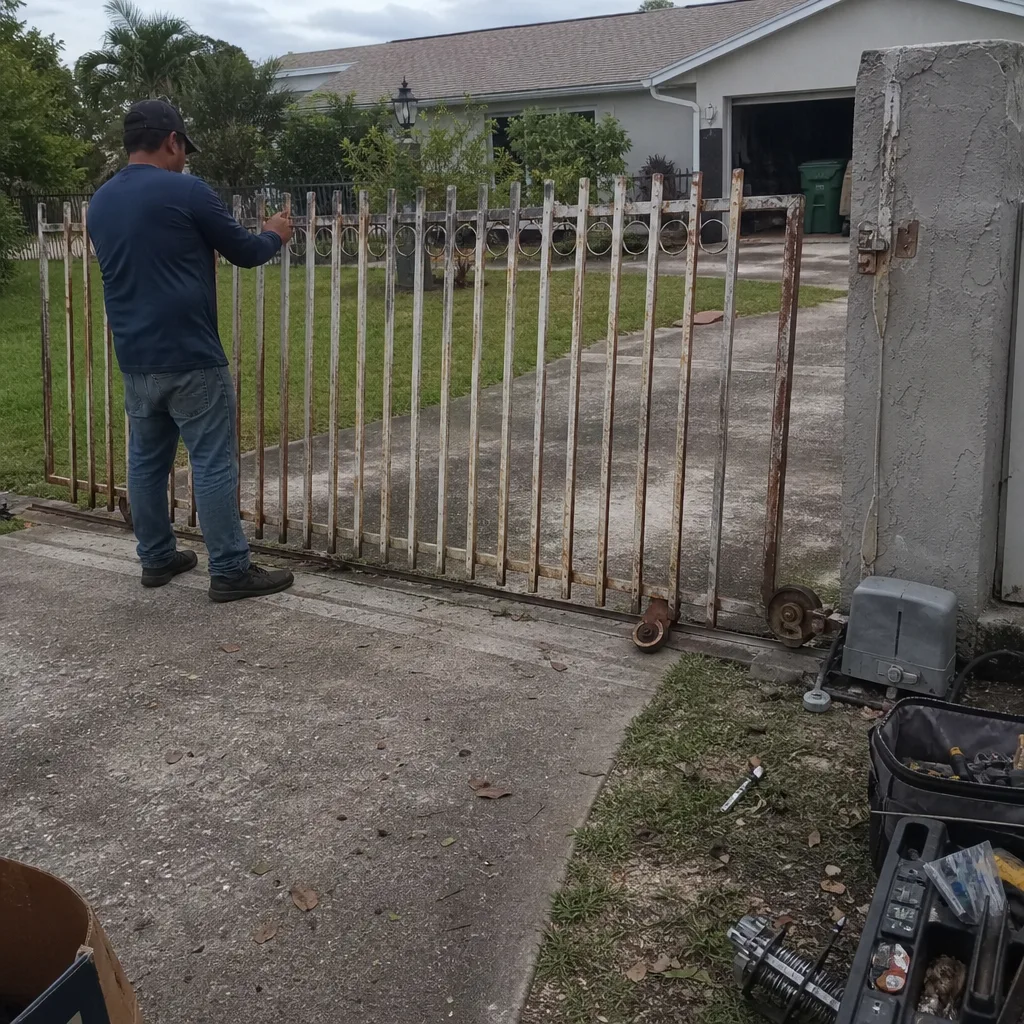
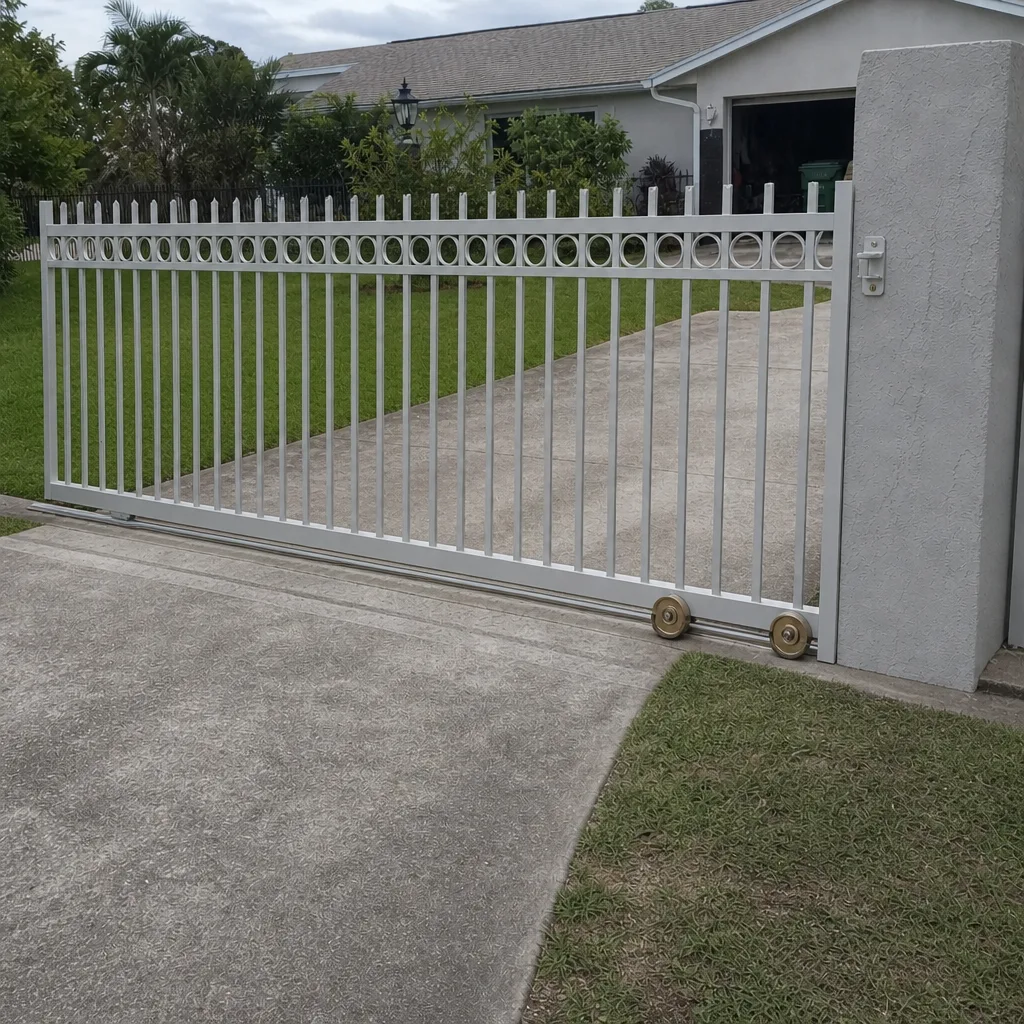
See the difference
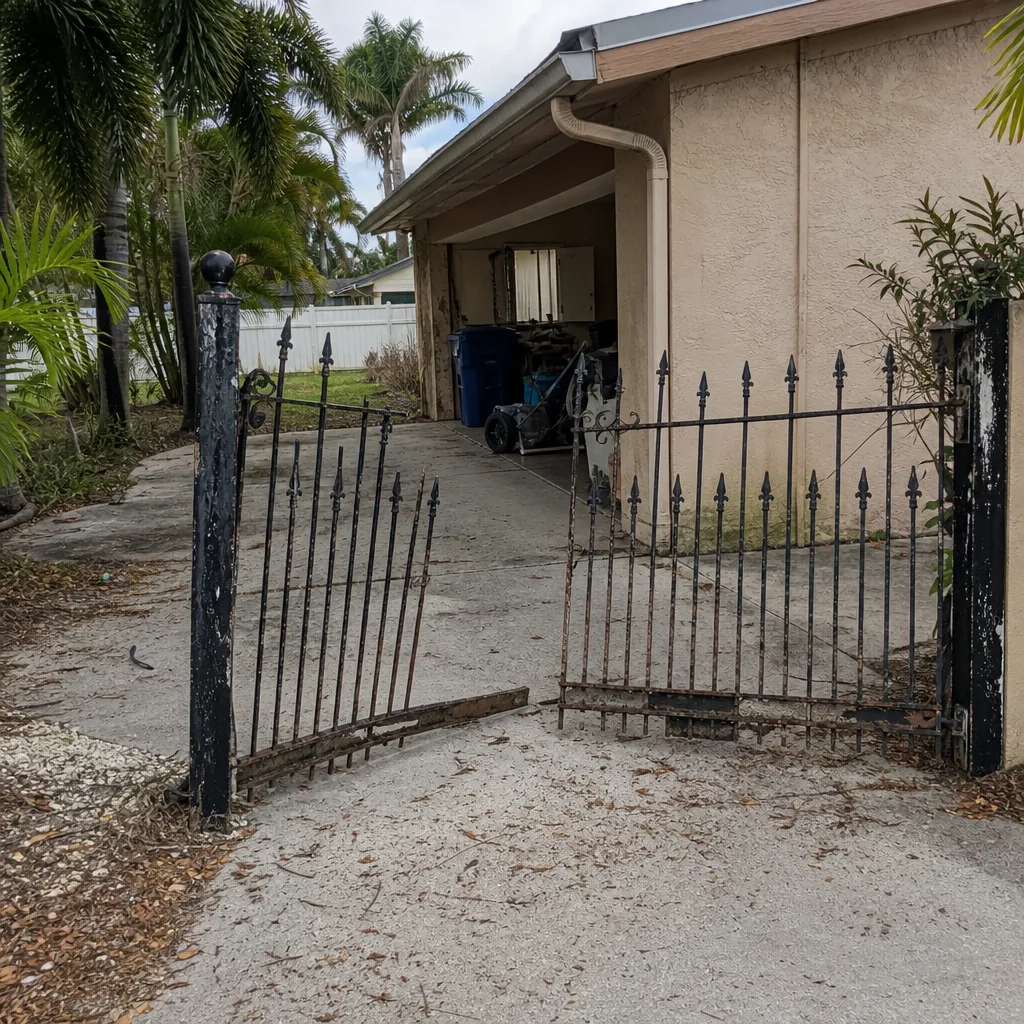 Before
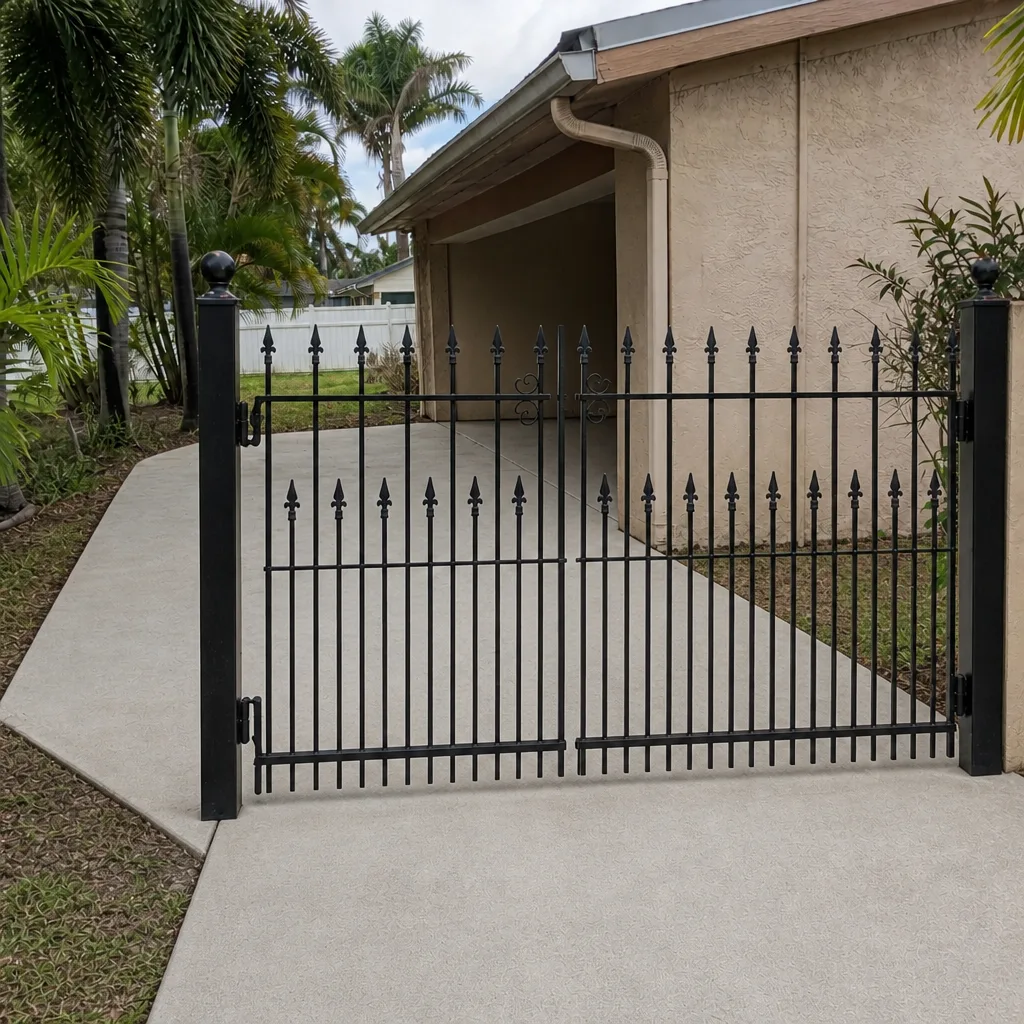 After
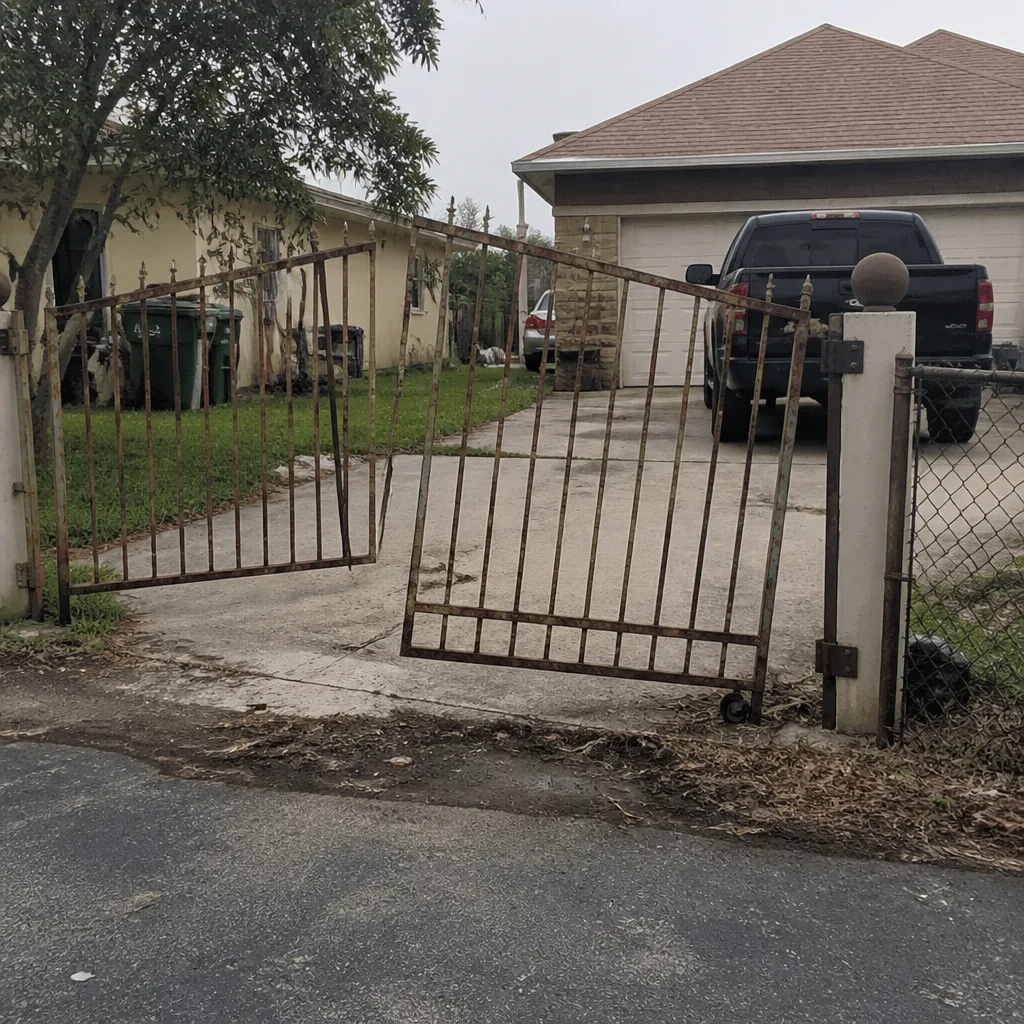 Before
 After
 Before
 After
When to Call a Professional
Call a gate specialist when the job falls into any of these categories: an automated gate that’s stopped working entirely, an operator that won’t complete a cycle, safety devices that keep tripping the gate’s reversal function, an access control keypad that no longer opens the gate, a slide or swing gate that binds or drags on the track, or a gate project that’s about to change size, position, or power setup. Brand-specific diagnostics matter on all of these, because the failure mode on a Linear operator is not the same as on a BFT or a Ghost Controls system.
If you’re in Cape Coral and unsure whether your gate work needs a permit, our Cape Coral gate specialists are glad to look at it and explain what we find. Cape Coral Gate Repair offers free estimates in Cape Coral – call (855) 687-9638. Estimates are free, and we can help you figure out where your project sits in the permit process before anything gets built.
Frequently Asked Questions
In most cases, no. Routine repair to an existing gate – fixing a motor, replacing a control board, adjusting hinges or safety sensors, or replacing a keypad with a comparable unit – generally doesn’t require a building permit. Structural changes, new automated gate installations, replacements that change the gate’s size or operator type, and new electrical work usually do. Call (855) 687-9638 for an exact quote on a repair job – estimates are free.
Yes. Installing a new automatic gate, or converting a manual gate to an automated one, is generally a permitted project in Cape Coral. It usually requires a permit for the gate structure and, if a new circuit is needed to power the operator, a separate electrical permit. Check with the City of Cape Coral building department before work starts; the permit approval determines the timeline, and the written estimate sets the final price.
No. HOA rules sit on top of city code, not in place of it. A City of Cape Coral permit does not satisfy an HOA’s architectural review, and HOA approval does not satisfy the city permitting requirement. Where the two point in different directions on gate height, materials, operator placement, or access control, both need to be satisfied. Property managers are wise to run the two processes as parallel tracks rather than in sequence.
An inspection checks that the gate matches what was permitted and that it operates safely. The inspector reviews the paperwork against the approved plans, checks the structure, confirms the operator is what was installed, tests the safety devices (photoelectric sensors and safety edges) for proper reversal, and, where the electrical work was permitted separately, coordinates with the electrical inspection. The most common failure reason is a mismatch between the approved plans and the actual install.
Yes. A buyer’s title search can surface an unpermitted gate, and that can stall or derail a sale. Insurance coverage can also be affected if a claim arises after unpermitted structural or electrical alterations. The good path is to bring the gate into the permit process before listing the property rather than assuming it won’t come up. Call (855) 687-9638 if you want an inspection of the current gate before a sale.
A gate specialist. Florida’s contractor licensing rules distinguish the structural and electrical scope of an automated gate from general handyman work, and the code-compliant installation of a powered gate includes safety devices and electrical components that fall outside a handyman’s legal scope. An experienced gate company that handles both repair and installation – and that knows the brand of operator on your gate – is the right call. The written estimate before any work begins keeps the price agreed, not assumed.
The Bottom Line
Most gate repair in Cape Coral doesn’t need a permit. Most gate replacement, upgrade, and new automated installation does. The dividing line is what actually changes: the gate’s structure, its powered operation, or the power feeding it. Confirm where your project sits with the City of Cape Coral building department before work starts. Keep HOA approval and city permitting on parallel tracks when both apply. Prepare for the inspection by keeping the install matching the approved plans. And if an unpermitted gate already exists, sort it out before the property sells, not after a title search finds it. A clean paper trail on a gate is worth the effort it takes to build.
Call Cape Coral Gate Repair at (855) 687-9638 for a free estimate on your gate project. We answer 24/7. Fast dispatch from 7am to 7pm, Sunday through Friday. Estimates are free, and the written estimate sets the final price before any work starts.
Written by the team at Cape Coral Gate Repair.